

copper free mirror meaning
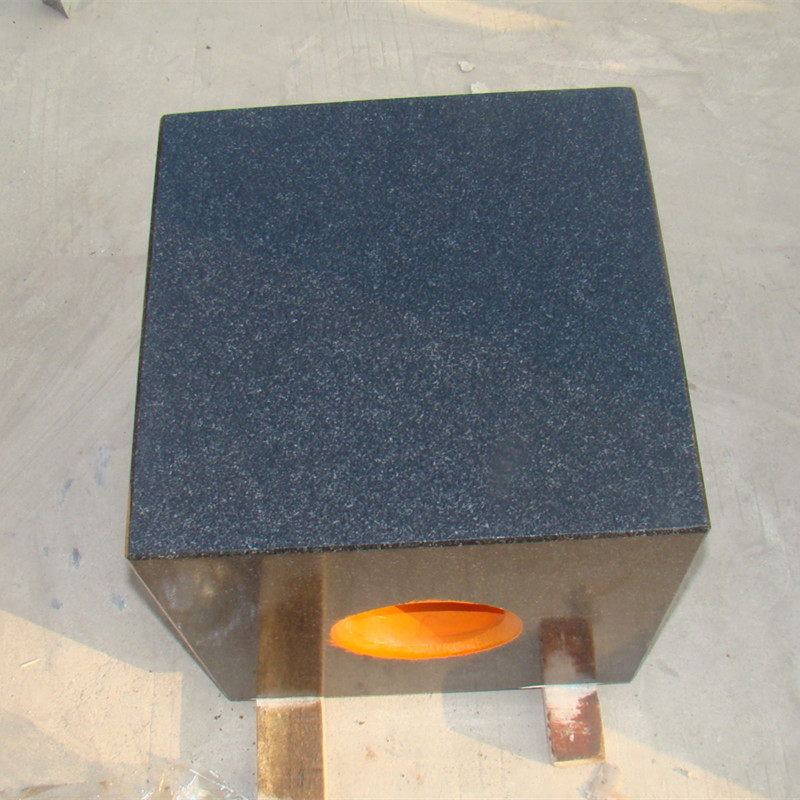
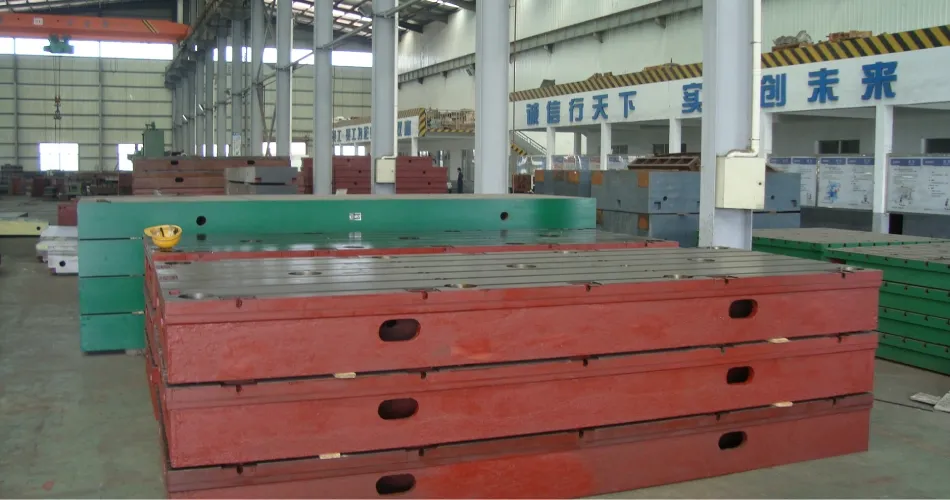
Introduction In the world of precision manufacturing, the measurement platform serves as the cornerstone of quality control. Storan’s granite measurement platform, engineered to 00-grade precision, represents a leap forward in industrial accuracy. This article delves into the technical specifications, advantages, and applications of Storan’s platform, while exploring the scientific principles that make granite the ideal material for high-precision measurements. The Uncompromising Standard of 00 Grade Precision The 00-grade precision of Storan’s granite measurement platform ensures flatness tolerances as low as 1 micrometer (for a 100x100mm surface). This level of accuracy is critical in industries such as aerospace, semiconductors, and medical device production, where even minor deviations can lead to catastrophic failures. Unlike lower-grade platforms, 00-grade precision eliminates guesswork, ensuring that every component’s dimensional accuracy, flatness, and perpendicularity are validated against a surface that resists thermal expansion, vibration, and wear. Why 00 Grade Precision Matters In aerospace engine assembly, for example, Storan’s platforms act as the ultimate reference point, ensuring parts fit flawlessly and perform under extreme conditions. The platform’s stability is further enhanced by its non-porous surface, which repels dust and moisture, maintaining a clean and consistent measurement environment. This reliability is essential for high-volume production lines where downtime translates directly to lost revenue. The Science Behind Granite: HS70 Hardness and Stability Storan’s granite measurement platform leverages the unique properties of Jinan blue granite, which boasts a hardness rating of HS70+—surpassing steel (HS50-60) and marble (HS40-50). This exceptional hardness ensures the platform resists scratches, dents, and wear, even under heavy loads. The material’s low coefficient of thermal expansion (8.3x10⁻⁶/°C) further enhances its stability, minimizing deformation due to temperature fluctuations. Thermal and Mechanical Stability The non-porous, crystalline structure of granite also dampens vibrations, absorbing mechanical noise from nearby machinery. This stability is why aerospace engineers and semiconductor manufacturers trust Storan’s platforms. Even in cleanrooms or high-temperature workshops, the surface remains a dependable reference, eliminating variables that compromise precision. Product Specifications Table Feature Details Material Granite Grade 00 Hardness HS70+ Compressive Strength 245-254 N/m Water Absorption Less than 0.13% Elastic Coefficient 1.3-1.5×10⁶ kg/cm² Customization Yes Applications Industrial measurement, laboratory, precision parts assembly, vehicle maintenance Applications in Modern Industry Storan’s granite measurement platform is designed for a wide range of applications, including: Industrial measurement : Ensuring precision in manufacturing processes. Laboratory settings : Providing a stable reference for scientific experiments. Precision parts assembly : Critical for aerospace and automotive industries. Vehicle maintenance : Ensuring accurate alignment and calibration of components. Company Background: Storaen (Cangzhou) International Trading Co. Storaen (Cangzhou) International Trading Co., the manufacturer of Storan’s granite measurement platform, specializes in industrial measurement tools. With a commitment to quality and innovation, the company has established itself as a leader in providing precision solutions for global industries. Their expertise in granite processing and surface engineering ensures that every platform meets the strictest international standards. Why Choose Storan? Storan’s platforms are not just manufactured—they are meticulously crafted through precision grinding, lapping, and rigorous testing. This attention to detail ensures that every surface meets the highest standards of accuracy and durability. Whether you need a custom-sized platform for specialized machinery or a standard unit for routine inspections, Storan delivers the precision your operations demand. Visualizing the Product Below are images of the Storan granite measurement platform, showcasing its design and functionality: Expert Endorsement: NIST Standards and Measurement The importance of precision measurement is underscored by the work of the National Institute of Standards and Technology (NIST). According to NIST, "Accurate measurements are the foundation of modern technology, ensuring consistency and reliability across industries" ( NIST Measurement Standards ). Storan’s granite platforms align with these principles, providing a stable and accurate reference for industrial applications. Conclusion In an era where precision drives competitiveness, a 00-grade granite measurement platform is not just an option—it is a necessity. Storan’s commitment to engineering excellence ensures that its platforms meet the rigorous demands of modern manufacturing. By combining the natural advantages of granite with advanced processing techniques, Storan sets a new standard for industrial measurement. References National Institute of Standards and Technology (NIST) - Measurement Standards
about
copper free mirror meaning
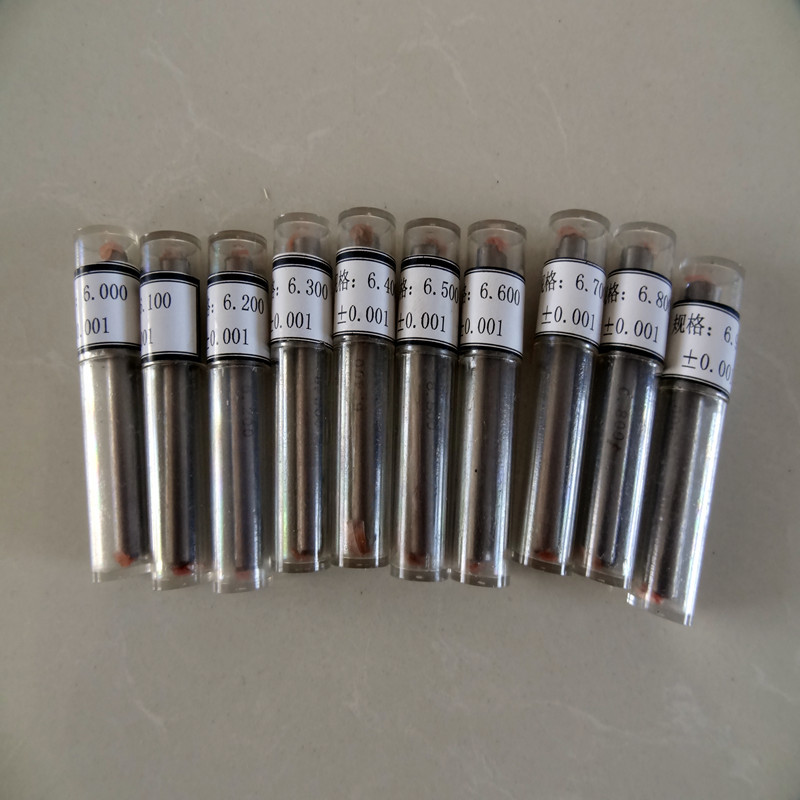
Understanding the Telescoping Bore Gauge A Precision Tool for Accurate Measurements In the realm of precision engineering and manufacturing, the ability to measure internal diameters accurately is paramount. This is where the telescoping bore gauge comes into play. A specialized tool designed to provide precise measurements of cylindrical holes, a telescoping bore gauge enhances the efficiency and accuracy of any engineering task. This article delves into the functionality, design, and applications of this essential measuring instrument. What is a Telescoping Bore Gauge? A telescoping bore gauge is a measuring instrument used to determine the internal diameter of holes, pipes, and other cylindrical objects. It features a pair of spring-loaded arms that expand once inserted into the bore, allowing it to conform to the shape of the internal surface. The gauge typically works in conjunction with a micrometer or caliper to provide precise measurements of the bore diameter. Structure of a Telescoping Bore Gauge The typical design of a telescoping bore gauge consists of 1. Handle This part is gripped by the user and serves as the point of control. 2. Measuring Arms The key components that expand to make contact with the interior walls of the bore. They are usually made from hardened steel for durability and accuracy. 3. Pivot Point Located at the end of the handle, this is where the arms pivot outward to fit the diameter of the bore. 4. Measurement Reading System This could either be a digital readout or a traditional analog scale attached to the handle, allowing the user to read the measurement effectively. How Does It Work? Using a telescoping bore gauge requires precision and care . The following steps outline its operation 1. Preparation Before use, ensure the gauge is clean and free from debris. This helps maintain accuracy. 2. Insertion Carefully insert the gauge into the hole. It should be pushed beyond the area to be measured. 3. Expansion Once inside, gently expand the arms by adjusting the handle, allowing the spring-loaded mechanism to press against the inner walls of the bore. 4. Retrieval Pull the gauge out of the bore while maintaining the expanded position of the arms. 5. Measurement Reading With the gauge removed, slide the arms back toward the handle and measure the spaced arms with a micrometer or caliper to obtain the internal diameter. telescoping bore gauge Proper technique is crucial to ensure accurate and repeatable results. Many experienced machinists recommend taking multiple measurements in different orientations to account for any irregularities in the bore. Applications of Telescoping Bore Gauges Telescoping bore gauges serve a variety of applications across different industries - Manufacturing In metalworking and machining, these gauges are essential for ensuring that parts fit together correctly and meet designated tolerances. - Automotive They are used to measure engine cylinders, ensuring that the internal diameter falls within the necessary specifications for optimal performance. - Aerospace Precision measurements are critical in the aerospace industry, where even the slightest deviation can have significant consequences. - Quality Control In quality assurance processes, bore gauges are used to confirm that manufactured parts conform to design specifications. Advantages of Using a Telescoping Bore Gauge The primary advantages of a telescoping bore gauge include 1. Precision Designed for accuracy, they provide reliable measurements critical to engineering applications. 2. Versatility These gauges can be used on a variety of bore sizes, making them ideal for diverse tasks. 3. Cost-Effectiveness Compared to other measuring devices, telescoping bore gauges are relatively inexpensive yet offer high levels of accuracy. 4. Ease of Use Once mastered, the operation of a telescoping bore gauge can be performed quickly, facilitating efficient workflows. Conclusion The telescoping bore gauge is an indispensable tool in precision measurement. Its ability to provide accurate internal diameter measurements makes it a vital instrument in various fields such as manufacturing, automotive, and aerospace. Understanding how to effectively utilize this tool not only enhances measurement accuracy but also plays a significant role in ensuring the quality and functionality of finished products. Whether for professional use or personal projects, mastering the telescoping bore gauge is a worthy investment for anyone involved in precision engineering.
-

High quality industrial productsagement

High quality industrial products
View Details -

Meet the diverse needs of customers

Meet the diverse needs of customers
View Details -

Strict quality control

Strict quality control
View Details -

Top raw materials

Top raw materials
View Details -

Trusted supplier

Trusted supplier
View Details
Our application
news and information
Versatile 3x6 Fabrication Table Designed for Welding Projects and Metalworking Applications
The Versatility and Importance of a 3x6 Welding Table Welding is a critical skill in various industr
Various Control Valve Types and Their Industrial Uses Explained
Types of Control Valves and Their Applications Control valves are essential components in various in

vysoce kvalitní vodové hladiny
Vysoce kvalitní nivelace Klíč k dokonalosti v každé stavbě Když se zamýšlíme nad stavbou nebo jakýmk
 English